Room Addition Design Ideas That Transform Your Space: Inspiring Home Addition Designs and Cost Insights
A room addition expands a home's usable area by building new conditioned space attached to the existing structure, and when designed well it transforms daily living, circulation, and long-term value. This guide explains practical room addition design ideas—from master suites and sunrooms to kitchen expansions and garage conversions—while unpacking the major cost drivers, permitting realities, and energy-efficient choices that matter for homeowners. Many readers struggle with matching aesthetic goals to realistic budgets and local code constraints; this article bridges design inspiration and actionable planning so you can make informed decisions. You will find a concise overview of the most popular addition types, a budgeting and permitting checklist with localized cost guidance, design priorities for durability and comfort, and measurable benefits including ROI and lifestyle impact. Throughout, semantic relationships such as addition types, component systems (foundation, framing, HVAC), and related entities like permits and energy efficiency are used to clarify trade-offs and recommended materials for South Shore, Massachusetts conditions.
What Are the Most Popular Types of Room Additions for Homeowners?
A room addition refers to any new constructed living space attached to an existing home—common forms include horizontal expansions, second-story additions, bump-outs, sunrooms, and conversions of basements or garages. These additions work by increasing conditioned square footage and integrating structural, mechanical, and finish systems so the new area feels cohesive with the original home, improving flow and utility. Choosing the right type depends on site constraints, budget, desired timeline, and local building code implications; understanding typical timelines and complexity helps homeowners prioritize the best fit. Below is a concise, numbered overview of the most popular addition types and why homeowners choose them.
Master suite addition: Adds a private bedroom with ensuite bath and closet space to enhance comfort and resale appeal.
Sunroom addition: Creates a light-filled seasonal or four-season space for relaxation and daylighting benefits.
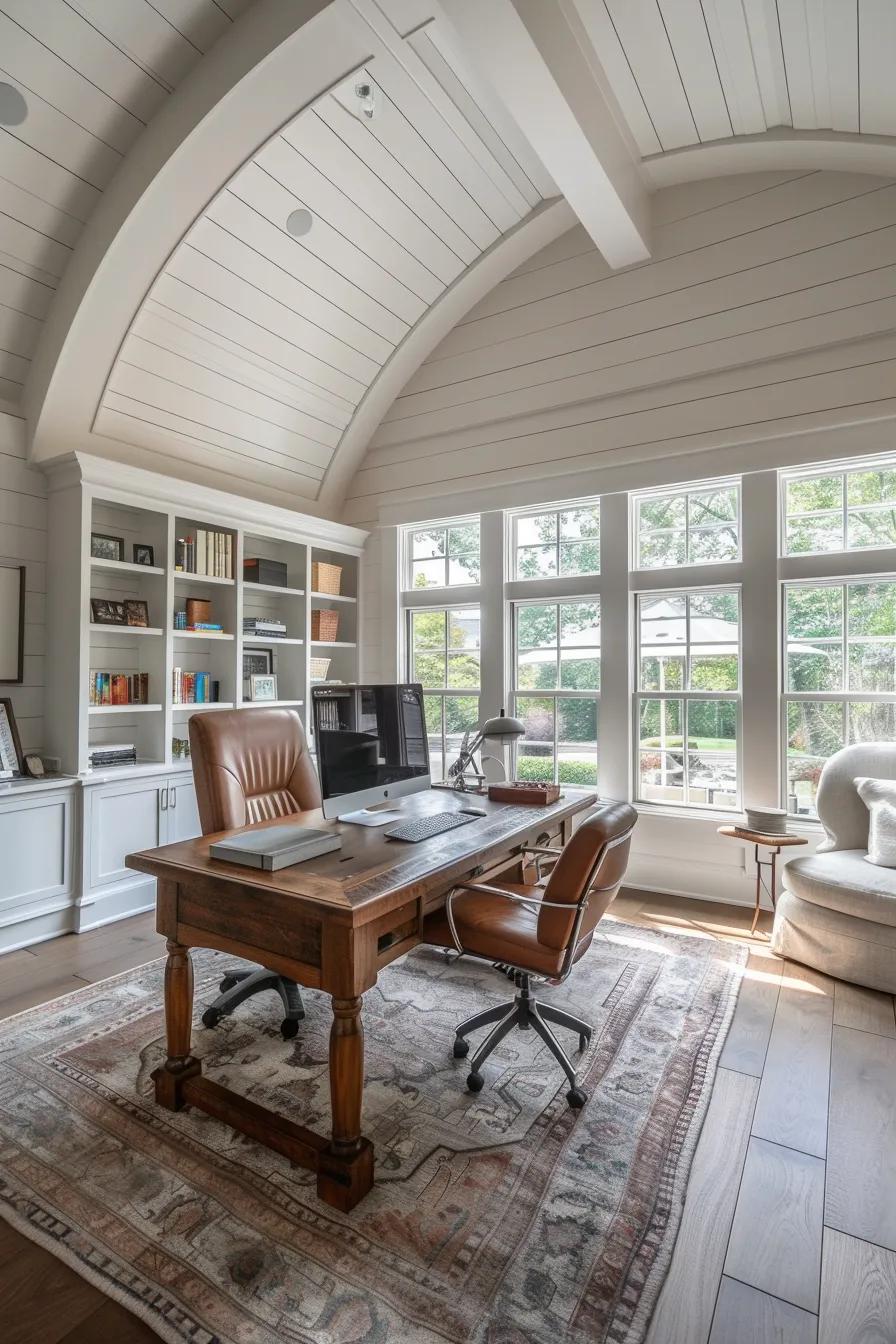
Home office addition: Provides dedicated workspace with improved acoustics, connectivity, and privacy.
Kitchen expansion: Enlarges cooking and entertaining spaces through bump-outs or reconfigured footprints.
Basement finishing: Converts underused below-grade space into living areas, often with lower per-square-foot cost.
Garage conversion: Transforms vehicle storage into livable space like an ADU, studio, or family room.
Second story addition: Increases square footage vertically when lot size restricts horizontal growth.
Bump-out addition: Small targeted expansion that improves specific rooms (kitchen alcove, breakfast nook) with minimal foundation work.
These options vary in structural complexity and timeline, with bump-outs and sunrooms typically faster and second-story or full additions taking longer due to structural work and permits. The next section details how to plan and budget around these differences so you can align scope with cost expectations.
AHB Construction LLC specializes in many of these room addition types across the South Shore region and can provide local examples and consultation to help homeowners evaluate options. Their approach emphasizes comprehensive project management—handling permits, inspections, and material sourcing—so clients see a single accountable partner through design and construction. If you want to compare localized examples or request a consultation, AHB can arrange site-specific discussions and share relevant project case notes to frame realistic budgets and timelines.
How Do Master Suite Additions Enhance Comfort and Value?
A master suite addition creates a private owner retreat by combining a spacious bedroom, ensuite bathroom, and storage—delivering both lifestyle improvements and potential resale uplift. The mechanism of value comes from increased conditioned square footage and improved bedroom/bathroom ratios, which buyers often favor; features like walk-in closets, accessible bathrooms, and natural daylighting further elevate appeal. Design priorities include plumbing layout efficiency, privacy from public areas, and durable finishes that balance comfort and maintenance. When planned with quality systems—proper insulation, efficient HVAC, and moisture-resistant materials—a master suite addition performs well in Massachusetts climates and supports long-term home value.
What Design Features Make Sunroom Additions Inviting and Functional?
Sunrooms maximize natural light by using large glazed areas and careful orientation while remaining functional year-round when built as four-season additions with proper insulation and HVAC integration. The key design decision is choosing between a three-season sunroom, which emphasizes glazing and lightweight construction for spring/summer use, and a four-season sunroom that includes insulated walls, dependable HVAC, and energy-efficient windows to be comfortable in winter. Material choices—thermally broken frames, insulated roofing panels, and low-E glazing—help control heat gain and heat loss, preserving comfort and limiting energy costs. Siting the sunroom to capture morning or afternoon sun, combined with operable shading, creates a versatile space for reading, dining, or passive solar benefit.
How Can You Plan and Budget for Your Room Addition Project?
Planning and budgeting start by defining scope, prioritizing structural work (foundation, framing, roofing), and identifying major mechanical upgrades (electrical, plumbing, HVAC) that drive cost. Effective planning uses a phased approach—concept, design, permitting, construction, and closeout—so risk is managed and finances align with project milestones. Key cost drivers include square footage, foundation complexity, roof tie-ins, interior finishes, and the need for structural reinforcement or storm-resistant detailing for Massachusetts weather.
Common addition types and regional cost context are summarized here to guide initial budgeting and contractor selection.
Addition TypeAvg Cost per sq ftCost Range / Notes (Massachusetts)Bump-out addition$150–$250Lower foundation work; quick timeline for single-room expansions (coenconstruction.com)Sunroom (four-season)$200–$350Requires insulated envelope and HVAC tie-in; glazing choice raises cost (coenconstruction.com)Master suite addition$220–$380Includes plumbing and higher-end finishes; beneficial ROI in many markets (coenconstruction.com)Second-story addition$250–$450Structural reinforcement and stairs increase cost; higher permitting complexity (coenconstruction.com)Basement finishing$100–$220Lower per-sq-ft but may need egress, waterproofing, and MEP upgrades (coenconstruction.com)Garage conversion$120–$260Varies by structural modifications and insulation needs (coenconstruction.com)
These ranges reflect typical Massachusetts variance where foundation work or code-required upgrades can push costs higher; major weatherproofing and insulation upgrades are common in South Shore builds. After establishing a high-level budget, use the following checklist to refine estimates and align financing.
Establish the project scope, desired features, and non-negotiable items.
Obtain at least two detailed contractor estimates that break down structural, MEP, and finish costs.
Include a contingency of 10–20% for unforeseen site or code issues.
This checklist helps homeowners convert ballpark numbers into actionable financial plans and prepares them to evaluate contractor bids on an apples-to-apples basis.
What Are the Typical Costs per Square Foot for Different Room Additions?
Typical costs vary widely because horizontal expansions often require new foundation work while vertical additions need structural reinforcement and staircases. Horizontal bump-outs and basement finishings tend to land at the lower end of per-square-foot ranges because they reuse existing systems or require minimal roof work, whereas second-story additions command premium pricing for structural reinforcements and tie-ins. Finish level—basic, midrange, or high-end—also plays a big role, as cabinetry, tile, and specialty glazing significantly affect totals. When calculating cost per square foot, separate hard costs (foundation, framing, roofing) from soft costs (design, permits, inspections) and soft-furnishing allowances to create a transparent budget.
How Do Permits, Inspections, and Local Codes Affect Your Addition Timeline?
Permitting in Massachusetts and specifically on the South Shore typically involves plan review, zoning checks, and multiple inspections that can add weeks to months to a project timeline depending on local municipality workload. Required documents commonly include site plans, structural drawings, energy compliance documentation, and contractor licensing proof; lead times for approvals vary seasonally and with scope complexity. Working with a contractor who manages permits and coordinates inspections reduces homeowner burden and helps avoid costly rework due to noncompliance. Anticipate weather delays in coastal climates and schedule critical exterior work for drier months to stay on a realistic timeline.
What Design Considerations Should You Prioritize for a Successful Room Addition?
Prioritizing materials, daylighting, insulation, and HVAC integration ensures the addition performs well and blends with the home’s architecture. Materials selection affects durability, maintenance, and lifecycle cost while window and roofing choices directly influence comfort and energy consumption. Thoughtful layout and flow decisions preserve sightlines and adjacency relationships so the addition feels seamless rather than tacked on. Below is a comparison table to weigh material trade-offs and recommended use cases for common finishes and systems.
Material / FinishPerformance / MaintenanceTypical Options / Use CasesFiber cement sidingHigh durability, low maintenanceGood for coastal exposure and long service life (coenconstruction.com)Engineered lumberStable, fewer dimensional changesUse for framing where moisture management is needed (coenconstruction.com)Double/Triple-pane windowsImproves insulation and comfortFour-season sunrooms and energy-efficient additions (coenconstruction.com)Spray foam insulationHigh R-value, air sealing benefitsFor tight envelopes and complex rooflines (coenconstruction.com)Composite deckingLow maintenance, weather resistantExterior transitions and porch additions (coenconstruction.com)
Selecting components that perform in New England weather—like thermally broken window frames and corrosion-resistant fasteners near the coast—reduces future repair costs and improves occupant comfort. The next checklist prioritizes design choices that preserve flow and energy performance.
Prioritize thermal continuity through continuous insulation and proper air sealing.
Orient glazing for balanced daylight while mitigating unwanted heat gain.
Maintain adjacency rules—place noisy or service spaces away from quiet areas.
These steps help ensure the addition integrates architecturally and performs mechanically, reducing both upfront surprises and long-term operating costs.
How Do Materials, Lighting, and Energy Efficiency Impact Your Addition?
Material and glazing decisions determine long-term durability and energy consumption because the building envelope mediates heat transfer and moisture movement. High-performance windows, continuous insulation, and controlled ventilation reduce heating and cooling loads, which is crucial for year-round comfort in Massachusetts. Lighting strategies that prioritize daylighting supplemented by efficient LED fixtures lower electric loads while improving occupant experience; layered lighting supports multiple activities in a single space. Selecting materials with favorable lifecycle profiles—durable siding, rot-resistant trim, and easy-to-service finishes—limits maintenance and preserves resale value over time.
What Are the Best Layout and Flow Ideas for Seamless Integration?
Successful layouts respect sightlines, adjacency, and privacy while minimizing intrusive structural penetrations into the existing home. For example, bump-out kitchens keep plumbing runs short, while placing a master suite above a garage can be efficient when structural reinforcement is planned. Rules of thumb include maintaining at least a 36-inch primary circulation path, aligning new doorways to preserve natural sightlines, and situating mechanical closets for easy service access. Good circulation design reduces awkward dead zones and enables flexible furniture arrangements, increasing the perceived usefulness of the new space.
What Are the Key Benefits of Adding a Room to Your Home?
Room additions deliver increased usable living space, enhanced functionality, and the potential for improved home value when executed with attention to design and market fit. The primary mechanism for benefit is the creation of tailored spaces—extra bedrooms, dedicated offices, or entertainment areas—that match current household needs and can adapt over time. Below is a table mapping common addition types to their primary benefits and expected ROI or lifestyle impact to help prioritize projects.
Addition TypePrimary BenefitApproximate ROI / Lifestyle ImpactMaster suiteEnhanced comfort and privacyModerate to high ROI; strong buyer appeal (coenconstruction.com)Kitchen expansionImproved functionality and entertainingHigh lifestyle impact; strong resale in many markets (coenconstruction.com)Sunroom (four-season)Daylight and passive enjoymentModerate ROI; high daily-use satisfaction (coenconstruction.com)Basement finishingAdditional living space at lower costGood ROI per dollar; flexible use cases (coenconstruction.com)Garage conversionNew livable square footageVariable ROI; high lifestyle flexibility (coenconstruction.com)
These benefits are amplified when additions address local buyer preferences and are executed with energy efficiency and quality finishes. The following list summarizes primary advantages.
Increased usable living area that adapts to changing household needs.
Improved home value and market competitiveness when designed to local standards.
Enhanced daily comfort, privacy, and functionality that support multigenerational living.
With these clear benefits in mind, homeowners can weigh lifestyle gains against cost and disruption.
How Does a Room Addition Increase Living Space and Home Value?
An addition increases living space by expanding conditioned square footage and improving functional room counts, which often correlates with higher appraised value—particularly when the addition adds bedrooms or updates kitchens and baths. ROI depends on addition type, finishes, and market demand; kitchen expansions and well-executed master suites commonly return a higher percentage of investment, while specialized features may yield less direct resale benefit but high lifestyle value. Aligning design quality with neighborhood expectations and maintaining consistent architectural language ensures the addition complements, rather than detracts from, the home's overall value.
What Functional and Lifestyle Improvements Can You Expect?
Practical improvements include dedicated workspaces for hybrid work, larger family gathering areas, accessible main-level bedrooms for aging in place, or separate living units for extended family. These changes often reduce daily friction—commuting, storage conflicts, and noise—while increasing the home's adaptability for future needs. Examples include converting a garage into a flexible in-law suite or finishing a basement as a recreation zone, each delivering measurable lifestyle benefits such as extra rental income potential or improved household circulation. Designing with flexibility—movable partitions, multi-purpose rooms, and robust mechanical capacity—maximizes long-term usefulness.
Why Choose AHB Construction LLC for Your Room Addition Needs?
AHB Construction LLC is a residential and light-commercial construction and remodeling company serving the South Shore region, positioned as a lead generation and information hub for homeowners exploring additions. The firm emphasizes local craftsmanship, lasting value, and a client-focused process; they operate fully licensed and insured and present comprehensive solutions that cover design coordination, permitting, inspections, and final cleanup. AHB’s value propositions include transparent pricing, open communication, and a 100 percent satisfaction guarantee, which together reduce homeowner risk during multi-phase addition projects. If you prefer a single accountable partner that understands Massachusetts building codes and weather-resilient construction choices, AHB’s project model is built to manage the full lifecycle from initial concept to finished space.
How Does AHB’s Local Expertise and Craftsmanship Ensure Quality?
AHB's local expertise manifests in code-aware design choices, material selections suited to South Shore weather, and craftsmanship practices that emphasize durable assemblies and attention to detail. Familiarity with local permitting processes and inspection timelines minimizes administrative delays and ensures compliance with energy and structural requirements. Their emphasis on transparent pricing and communication keeps homeowners informed about trade-off decisions—such as glazing performance versus budget—and helps prioritize elements that deliver the most value. The company’s 100 percent satisfaction guarantee and comprehensive finish standards provide homeowners with confidence that quality control and client expectations are central to each project.
What Is Included in AHB’s Comprehensive Project Management Process?
AHB structures projects in clear phases—consultation, design coordination, permitting, construction, inspections, and final cleanup—so homeowners understand deliverables and timelines at each stage. During consultation, scope and budget parameters are established; design coordination refines layouts and systems; permitting secures approvals while construction executes framed, MEP, and finish work; final inspections and cleanup close out the project. This phase-based approach reduces homeowner burden by consolidating permit handling, material sourcing, subcontractor coordination, and inspection scheduling under one accountable team. Typical timelines vary by scope, but the phased model clarifies milestones and reduces risk of scope creep or regulatory setbacks.
What Are Inspiring Room Addition Ideas to Transform Your Home?
Practical, high-impact ideas can transform everyday routines: a compact home office with built-in storage and ethernet/data hubs, a kitchen bump-out that adds a dining alcove and connects indoor/outdoor living, or a finished basement that becomes a multi-use family and media room. Each idea pairs a design approach with cost-conscious material choices to maximize impact—open shelving and targeted task lighting for offices, reclaimed wood accents for warm kitchens, and moisture-resistant finishes for basements. The list below highlights inspiring, implementable concepts that fit a range of budgets and timelines.
Create a light-filled home office with operable windows, task lighting, and integrated power for reliable connectivity.
Expand the kitchen with a bump-out to add an island and casual dining that improves daily flow and entertaining.
Finish a basement into a multi-function family room with zoning for media, exercise, and guest accommodation.
Convert an underutilized garage into a studio or rental unit with independent systems where feasible.
For homeowners ready to move from inspiration to action, AHB Construction LLC invites you to request a consultation or a free estimate to explore site-specific options and realistic timelines. The company’s end-to-end project management, local code knowledge, and transparent pricing approach are designed to help you evaluate trade-offs and choose the addition that best fits your needs and budget.
How Can Home Offices and Kitchen Expansions Improve Daily Living?
A purpose-built home office improves productivity by providing acoustic separation, proper lighting, and integrated data, while a kitchen expansion enhances meal prep and socializing by enlarging work surfaces, adding storage, and improving sightlines to living areas. Design tweaks—built-in storage, task lighting, and ergonomic countertop heights—boost daily efficiency and elevate long-term comfort. For kitchens, reconfiguring the work triangle and adding an island can change how a household functions around cooking and entertaining. Both types of additions often produce outsized lifestyle gains relative to their footprint when designed to suit household routines.
What Are Innovative Basement Finishing and Garage Conversion Designs?
Modern basement finishes emphasize daylighting, moisture control, and flexible zoning to support uses such as home theaters, accessory dwelling units (ADUs), or fitness spaces, while garage conversions often require structural reinforcement, insulation upgrades, and new egress for safe, code-compliant living space. Key building-system upgrades include improved drainage, sump pump integration, egress windows or doors, and HVAC balancing to ensure comfort. Popular conversion concepts—like a rental ADU or guest suite—can create rental income or multigenerational housing options, but they require careful planning for separate systems and code compliance. Well-executed conversions transform underused areas into high-utility, value-adding spaces.
Home office: Prioritize connectivity, daylight, and built-in storage.
Kitchen expansion: Focus on workflow, durable surfaces, and daylighting.
Basement/garage conversions: Address moisture control, egress, and HVAC integration.
These strategies turn design concepts into practical projects that enhance daily life and long-term home flexibility.
