Essential Tips for Managing Kitchen Remodel Cost in MA

Kitchen Remodeling Cost in Massachusetts: How Much Should You Expect to Pay?
The cost of remodeling a kitchen in Massachusetts varies widely due to project scope, materials, labor, and location. Homeowners face questions about budgeting, cost breakdowns, and factors affecting the final price. This guide examines average costs, explains how project size, material choices, local permits, and design complexity drive expenses, and offers insights into financing options and contractor selection from ahbconstructionllc.com. Whether you plan a high-end makeover with stainless steel appliances and quartz countertops or a modest refresh with laminate flooring and updated cabinetry, understanding these factors ensures that your renovation investment remains both practical and aesthetically appealing.
Transitioning from the introductory overview, the following sections explore specific factors that influence kitchen remodeling costs in Massachusetts, offer budgeting tips, and describe full-service remodeling company offerings for timely, high-quality renovations.
What Are the Average Kitchen Remodel Costs in Massachusetts?
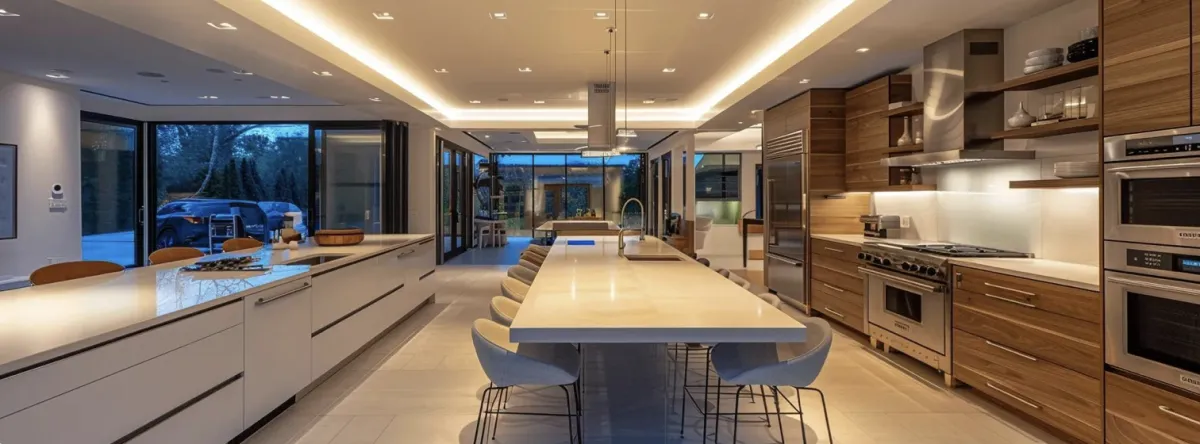
Massachusetts shows wide cost variations due to its diverse housing styles. On average, kitchen remodels range between $25,000 and $100,000. A standard remodel with mid-range materials typically costs between $40,000 and $70,000. Smaller projects focusing on cosmetic updates like new paint, cabinet refacing, and updated appliances often cost around $15,000 to $25,000. In contrast, luxury remodels featuring custom cabinetry, granite or quartz countertops, high-end stainless steel appliances, and designer flooring may exceed $100,000. Higher living costs in Massachusetts drive up labor and permit fees, and regional differences (urban versus rural) also affect pricing.
How Do Kitchen Remodel Costs Vary by Project Size?
Kitchen size and design complexity are critical factors. Compact kitchens may require only minor changes such as repainting or replacing fixtures, keeping costs lower. Larger kitchens with open floor plans often need extensive demolition, layout reconfiguration, and new electrical or plumbing setups, which increases both labor hours and material costs. For example, a 100‑square‑foot kitchen remodel may be more cost‑efficient per square foot than a 300‑square‑foot kitchen due to bulk discounts and economies of scale.
What Are Typical Price Ranges for Kitchen Renovations in MA?
Kitchen renovations in Massachusetts fall into three categories: • Budget Remodels: $15,000 to $25,000, involving surface updates, refinished cabinets, and lower‑cost countertops like laminate or butcher block. • Mid‑Range Remodels: $40,000 to $70,000 that include new cabinetry, quartz or granite countertops, energy‑efficient stainless steel appliances, and upgraded lighting. • High‑End Remodels: Over $100,000, offering custom designs, premium materials, and tailor‑made floor plans. These often involve structural changes and bespoke details that drive up the overall cost.
How Does Location Within Massachusetts Affect Remodeling Costs?
Costs also depend on location. Urban areas such as Boston and Cambridge experience higher labor rates, stricter building codes, and more expensive permits, driving up overall expenses. In suburban or rural regions, lower living and labor costs may reduce expenses, though access to high‑end materials or specialized contractors might be limited. Neighborhood demographics and building code requirements further influence final costs.
Which Factors Influence Kitchen Remodeling Costs in Massachusetts?
Several factors determine the final kitchen remodel price in Massachusetts, including material choices, labor, design complexity, and permit needs. These factors contribute to both visible expenses and hidden costs.
How Do Material Choices Impact Kitchen Remodel Prices?
Material selection is often the most visible cost factor. Premium materials such as natural stone quartz or granite countertops, designer tile or hardwood flooring, and custom cabinetry significantly increase costs compared to laminate, ceramic, or stock options. Details like soft‑close hinges and integrated lighting further add to the expense, and homeowners must balance durability, aesthetics, and cost.
What Role Does Labor and Local Permits Play in Cost?
Labor costs in Massachusetts are high, especially in urban centers, due to the cost of living and union standards. Skilled professionals such as contractors, electricians, plumbers, and carpenters charge premium rates. Obtaining local permits is also essential; strict building codes and regulations can add both time and fees, further increasing overall costs.
How Does Kitchen Design Complexity Affect the Budget?
Design complexity influences both material expenses and labor hours. Simple cosmetic updates cost less than complete layout reconfigurations that require structural changes, new installations, or custom design features like open floor plans and integrated smart home technology. More complex designs often require consultation with architects or interior designers, adding further professional fees.
How Can Massachusetts Homeowners Budget for a Kitchen Remodel?
Effective budgeting requires detailed planning and a clear cost breakdown. Homeowners should list all anticipated expenses, including materials, labor, permits, and a contingency fund for unexpected issues. Transparent budgeting helps compare contractor bids and identify cost‑cutting opportunities without sacrificing quality.
What Is Included in a Transparent Kitchen Remodel Cost Breakdown?
A detailed cost breakdown includes: • Material costs for cabinets, countertops, flooring, backsplashes, lighting, and fixtures. • Labor expenses covering contractor fees, electrical, plumbing, and installation work. • Permit and inspection fees as mandated by local codes. • A contingency budget (typically 10–20% of the total cost) for unexpected issues.
How to Plan for Unexpected Expenses During Renovation?
Unforeseen issues such as water damage, outdated wiring, or structural problems can increase expenses. Homeowners should set aside a contingency fund (10–20% of the total budget) to cover these surprises. Hiring experienced contractors who conduct thorough initial assessments can also minimize unexpected costs.
What Financing Options Are Available for Kitchen Renovations in MA?
Financing options include personal savings, home equity loans, and lines of credit. Home equity loans are attractive for their lower interest rates and potential tax benefits. Some banks offer renovation‑specific loans, and certain contractors may provide payment plans. Comparing interest rates and repayment terms helps select the most cost‑effective option.
What Services Does a Full-Service Kitchen Remodeling Company in Massachusetts Offer?
Full‑service remodeling companies manage the entire process from design to installation. They handle material procurement, project management, and final installation, simplifying the renovation process and reducing homeowner stress.
How Does Project Management Ensure Timely and Quality Completion?
Experienced project managers coordinate subcontractors, schedule deliveries, and oversee every phase of the remodel. They serve as the main point of contact, provide regular updates, and ensure compliance with local building codes, leading to timely and quality execution.
Why Is Personalized Kitchen Design Important for Cost Efficiency?
Custom designs tailored to a home's exact dimensions optimize functionality, reduce wasteful spending on modifications, and can identify cost‑saving opportunities through efficient layouts and material selections. Personalized planning is especially valuable in Massachusetts where strict codes require thoughtful design solutions.
How Do Local Material Suppliers Affect Pricing and Quality?
Working with local suppliers can decrease transportation costs and lead times. Local materials are more likely to meet regional building standards and climate demands, often resulting in better durability and fewer maintenance issues. Established relationships between remodeling companies and reliable suppliers further support timely and cost‑efficient projects.
How to Choose the Right Kitchen Remodeling Contractor in Massachusetts?
Selecting the right contractor is vital. Homeowners should research potential contractors, verify licenses and insurance, review past projects, and examine customer testimonials. A reliable contractor will offer transparent pricing, clear communication, and familiarity with Massachusetts building codes and permits.
What Questions Should You Ask About Pricing and Permits?
Key questions include: • Requesting a detailed cost breakdown for materials, labor, and permits. • Inquiring how changes in project scope will affect the price. • Clarifying who handles the permit application process. These questions help set realistic expectations and avoid surprises.
How to Verify Contractor Experience With Massachusetts Building Codes?
Homeowners should verify that contractors are properly licensed and insured in Massachusetts. Reviewing past projects, references, and online reviews helps to assess their expertise with local building codes and permits, ensuring a smooth, compliant remodel.
What Do Customer Reviews Reveal About Remodeling Costs and Quality?
Customer reviews offer insights into a contractor’s reliability, pricing transparency, quality of work, and timeliness. Patterns of positive reviews often indicate strong performance, while consistently negative feedback may reveal issues with cost overruns or delays.
What Are the Latest Trends Affecting Kitchen Renovation Costs in Massachusetts?
Trends in kitchen remodeling now reflect advancements in technology, sustainability, and design aesthetics. These affect both the look and pricing of remodels.
How Are Sustainable Materials Changing Remodeling Budgets?
Sustainable materials such as recycled glass countertops and sustainably sourced wood often have higher initial costs but reduce maintenance expenses and improve indoor air quality. Energy-efficient upgrades, including LED lighting and Energy Star appliances, may qualify for rebates or incentives, helping to balance their higher upfront investment.
What Modern Kitchen Features Are Increasing Costs?
Smart appliances, under-cabinet lighting, and advanced ventilation systems are popular modern upgrades that provide functional benefits and convenience but increase project costs due to specialized installation and technology integration. These features enhance energy efficiency and usability, making them attractive investments despite the higher initial expense.
How Does Energy Efficiency Influence Long-Term Remodeling Value?
Upgrading to energy-efficient appliances and intelligent lighting systems reduces electricity usage and utility bills, contributing to long-term savings. Energy efficiency improvements also boost resale value by appealing to environmentally conscious buyers, making them a smart long-term investment.
How Long Does a Kitchen Remodel Take in Massachusetts and How Does It Affect Cost?
The duration of a kitchen remodel generally ranges from four to twelve weeks, depending on project scope and complexity. Longer projects may incur additional labor and material costs, so efficient scheduling and management are crucial to keep expenses in check.
What Is the Typical Timeline for Different Remodel Scopes?
• Small-Scale Remodels: Cosmetic updates typically take four to six weeks. • Mid‑Range Remodels: A mix of surface changes and minor structural modifications usually require eight to ten weeks. • High‑End Remodels: Comprehensive projects with complete layout reconfigurations can take twelve weeks or more. Proper scheduling of permit applications, deliveries, and inspections helps maintain control over costs.
How Do Delays Impact Overall Remodeling Expenses?
Delays increase remodeling costs through extra labor charges, equipment rental fees, and potential price hikes in materials. Proactive project planning and contingency strategies help mitigate these risks.
Frequently Asked Questions
Q: What is the average cost per square foot for a kitchen remodel in Massachusetts? A: Costs generally range from $150 to $500 per square foot, depending on material quality and renovation complexity.
Q: How can homeowners reduce costs during a kitchen remodel? A: Consider mid‑range materials, plan a phased renovation, obtain multiple contractor quotes, and maintain a contingency fund for unforeseen expenses.
Q: Why do permit fees vary by location in Massachusetts? A: Fees depend on local regulations, cost of living, and municipal administrative expenses. Urban areas tend to have higher fees due to stricter codes and oversight.
Q: Are financing options readily available for kitchen renovations in Massachusetts? A: Yes, options include home equity loans, renovation loans, and personal lines of credit, allowing comparison of interest rates and repayment terms.
Q: How important is the role of a project manager in a kitchen remodel? A: Extremely important—they coordinate every phase of the project, ensuring timelines are met and budgets maintained.
Q: What sustainable features can increase the long-term value of a kitchen remodel? A: Energy-efficient appliances, sustainable materials, LED lighting, and smart home integrations can lower long-term energy costs and increase resale value.
Q: How do customer reviews influence the selection of a remodeling contractor? A: Reviews provide insights into pricing transparency, work quality, timeliness, and overall reliability, helping homeowners make informed choices.
Final Thoughts
Massachusetts homeowners must carefully weigh material choices, labor costs, and design complexities to achieve a successful kitchen remodel. By understanding average costs, planning for project size variations, and accounting for local factors like permit fees and contractor expertise, homeowners can confidently budget and execute their renovations. Comprehensive planning—with transparent cost breakdowns and professional project management—ensures timely completion while minimizing surprises. A well-executed kitchen remodel not only revitalizes aesthetics but also enhances functionality and long-term home value.
Cost ComponentEstimated RangeImpact on BudgetNotesMaterial Costs$10,000 – $50,000+Directly affects quality and functionHigh‑end materials add valueLabor & Installation$5,000 – $30,000+Influences project duration and accuracyUrban areas often have higher ratesPermits & Inspections$500 – $5,000+Ensures regulatory complianceVaries by locationDesign & Project Mgmt$2,000 – $10,000+Improves coordination and efficiencyProfessional feesContingency Fund10–20% of total costCovers unexpected issuesEssential for unforeseen expenses
Before initiating a renovation, homeowners should secure detailed estimates, review contractor portfolios, and compare financing options to minimize cost overruns and ensure the final kitchen meets both practical and aesthetic expectations.
FactorDescriptionExample ImpactConsiderationMaterial ChoiceQuality of cabinets, countertops, flooringHigh‑end quartz vs. laminateAffects durability and upfront costKitchen Size and LayoutOverall project scope and square footageLarger kitchens cost moreInfluences design and installationLabor CostsLocal wage variationsUrban areas charge higher wagesCompare contractor quotesPermit and Inspection FeesLocal building regulationsFees vary by municipalityEssential for complianceDesign ComplexityCustom vs. standard designsMay involve architect feesImpacts overall timeline and cost
Comparing these key factors helps visualize the elements that drive remodeling costs, ensuring every budgeted dollar enhances both functionality and appeal.
