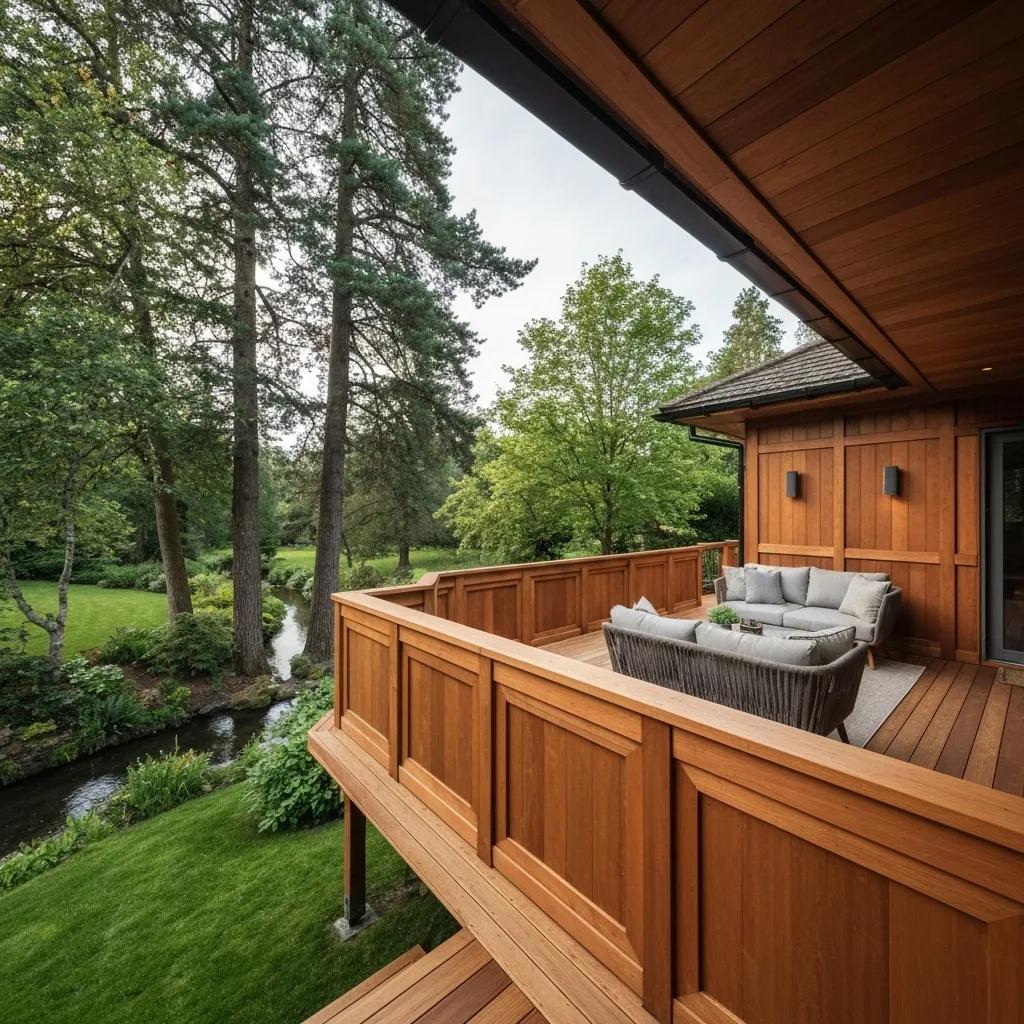
Elevate Your Space: Inspiring Rooftop Deck Design Ideas
A rooftop deck transforms unused roof area into an elevated outdoor living space that captures views, extends usable square footage, and enhances lifestyle options for homeowners. This article explains why rooftop decks are particularly effective for South Shore and Massachusetts homes, outlines modern design ideas, walks through material selection for New England climates, details key patio features, clarifies permitting and code steps, and offers realistic cost and budgeting guidance. Many homeowners face constraints such as small lots, coastal weather, and strict local codes; rooftop decks provide a solution by maximizing vertical space while delivering entertaining areas, gardens, and private retreats. Early design decisions about framing, waterproofing, railings, and features determine long-term performance and value, so this guide pairs inspiration with practical, code-aware recommendations. AHB Construction LLC, a Middleborough, MA residential and light-commercial remodeling company serving the South Shore region, is fully licensed and insured, offers free estimates, and provides workmanship warranties — readers can request a free consultation to discuss rooftop options. The sections below cover benefits and ROI, modern stylistic approaches, material comparisons, feature planning, permitting essentials, and budgeting tactics for Massachusetts homeowners.
Why Choose a Rooftop Deck to Enhance Your Massachusetts Home?
A rooftop deck is an elevated outdoor living space built on a roof surface to create new usable square footage, capture views, and improve a home's functionality. Structurally, a rooftop deck works by distributing live loads across a reinforced framing system with waterproofing and drainage layers beneath the decking surface, producing a durable and safe platform for entertaining or gardening. The immediate benefits include access to sunlight and views without sacrificing yard space, improved privacy above neighboring sightlines, and the ability to create distinct zones for dining, lounging, and planting. In Massachusetts, rooftop decks also mitigate small-lot limitations common on the South Shore by converting underused roof planes into premium living areas that appeal to buyers and daily owners alike.
What follows is a concise set of benefits that homeowners can expect and a short ROI synopsis that highlights how design decisions influence resale value and long-term use.
Lionizing rooftop decks yields several practical benefits:
Expanded Outdoor Living: Adds functional space for entertaining, dining, and relaxation in densely built neighborhoods.
Unique Views and Privacy: Elevates sightlines for coastal panoramas and reduces street-level noise and visibility.
Land-Saving Design: Maximizes property value on small lots by creating another usable floor.
Gardening and Microgreens: Supports container gardens and rooftop planters that improve air quality and aesthetics.
These benefits usually translate to measurable market interest; while exact ROI varies by neighborhood, quality rooftop installations with durable materials and thoughtful features generally increase curb appeal and can improve a home's competitive valuation. Understanding how features and materials drive that value is the next step.
What Are the Benefits of Adding a Rooftop Deck?
A rooftop deck provides lifestyle, aesthetic, and practical gains by turning unused roof area into a multi-season outdoor room optimized for New England weather. Mechanically, rooftop decks increase usable living area without expanding footprint, enabling homeowners to host gatherings, establish private garden beds, or set up outdoor kitchens where yard space is limited. For coastal South Shore properties, positioning a deck to capture prevailing breezes while incorporating wind-tolerant furniture and robust railings enhances comfort and longevity. These decks also offer design flexibility: minimalist glass railings for unobstructed views, pergolas for filtered shade, and built-in seating that doubles as storage increase functionality.
Homeowners benefit from improved quality of life and long-term asset enhancement, but they should weigh maintenance for chosen materials and the tradeoffs between low-maintenance composites and the natural look of wood. Planning with a contractor who understands local conditions helps ensure the rooftop deck delivers on its lifestyle promise while protecting structural integrity and value.
How Does a Rooftop Deck Impact Your Home’s Return on Investment?
A rooftop deck's influence on ROI depends on materials, structural investment, and the features included; high-quality framing and weather-resistant decking often produce stronger resale signals than budget surface treatments. Structural reinforcements and waterproofing represent upfront costs but protect the building and preserve value, while visible amenities—like outdoor kitchens, fire features, and integrated lighting—raise buyer appeal in competitive markets. In Massachusetts, buyer tastes on the South Shore favor durable, low-maintenance finishes that resist salt air and freeze-thaw cycles, so selecting the right materials often yields better lifecycle ROI than cosmetically focused, short-term upgrades.
Estimating ROI requires a local appraisal or contractor-led feasibility review, but prioritizing structural safety, durable decking, and code-compliant railings tends to maximize long-term return. Consulting a local builder early helps align design ambitions with market expectations and financial reality.
What Are the Best Modern Rooftop Deck Design Ideas for South Shore Homes?
Modern rooftop deck design balances clean aesthetic lines with durable detailing suited to coastal New England conditions. Modern and minimalist decks emphasize simple geometry, uncluttered railings, neutral palettes, and integrated lighting to maintain a refined silhouette against the sky. Strategic zoning—separating dining, lounging, and utility areas—keeps compact rooftops feeling spacious, while multifunctional built-ins and planters add storage and greenery without crowding circulation paths. Sustainable touches like drought-tolerant planters and modular furniture support low-maintenance living.
Below are practical design directions and zoning tips that match South Shore architectural styles and weather resilience needs.
Minimal Material Palette: Use two to three complementary materials to maintain visual calm and resist coastal wear.
Glass or Cable Railings: Opt for transparent railings to preserve views, choosing corrosion-resistant hardware.
Integrated Lighting and Power: Plan for concealed LED uplights and dedicated circuits for heaters and cooklines.
These design choices improve usability and aesthetics while aligning with the durability required for Massachusetts weather. The next section breaks down the defining elements of modern and minimalist rooftop decks.
Which Features Define Modern and Minimalist Rooftop Decks?
Modern rooftop decks prioritize simplicity, durable finishes, and unobstructed sightlines achieved through streamlined railings, neutral decking tones, and concealed hardware. Materials are chosen for clean surfaces and low maintenance—composite decking, powder-coated metal, and sealed pavers are common—paired with sparse but purposeful furniture scaled to the space. Lighting is integrated into steps, benches, and planters to reduce clutter and create ambience without heavy fixtures. Glass or thin cable railings maintain transparency while meeting safety standards, and modular furnishings allow flexible reconfiguration for entertaining or quiet use.
Designers must reconcile minimalism with coastal resilience by selecting corrosion-resistant metals and UV-stable materials; careful detailing around penetration points and drains prevents water intrusion, linking design aesthetics directly to long-term performance.
How Can Multi-Level and Multi-Functional Designs Maximize Rooftop Space?
Multi-level rooftop layouts use changes in elevation, planters, and built-in seating to delineate zones and increase perceived space without expanding area. Short steps or raised platforms can separate dining from lounging areas and help funnel airflow, while integrated storage beneath benches reduces the need for freestanding pieces. Multifunctional elements—such as a bench that doubles as a planter or a fold-down dining table—allow compact decks to host multiple activities simultaneously. Access and circulation must remain clear, and transitions between levels should meet building code thresholds for riser heights and guardrails.
Structurally, multi-level decks often require careful load distribution and coordination with waterproofing layers; designers should plan for snow loads and service access to utilities when stacking functional layers. Thoughtful layout planning enables small rooftops to function like larger terraces through efficient use of vertical and horizontal planes.
How Do You Select the Best Materials for Durable Rooftop Decks in Massachusetts?
Selecting materials for rooftop decks in Massachusetts requires balancing durability, weight, maintenance, and resistance to coastal conditions. Composite decking offers low maintenance and rot resistance, steel framing provides long-term structural integrity and dimensional stability, while natural woods and pavers deliver aesthetic warmth at the cost of higher maintenance or weight. Waterproofing membranes, proper drainage, and corrosion-resistant fasteners are equally critical components—materials alone cannot ensure longevity without appropriate detailing and installation. When choosing materials, consider local freeze-thaw cycles, salt exposure, and rooftop weight limits to match the framing and membrane system to the surface finish.
The table below compares common rooftop materials across key attributes to help homeowners make informed choices.
MaterialKey AttributesBest Use CasesComposite DeckingLow maintenance, rot-resistant, moderate weightRooftops needing low upkeep and coastal salt resistanceSteel FramingHigh strength, dimensional stability, corrosion-resistant with coatingRooftops requiring long-span support and minimal deflectionNatural Wood (Ipe, Cedar)Warm aesthetic, requires sealing, susceptibility to moistureHigh-end aesthetic projects with regular maintenancePavers/TilesHeavy, durable, slip-resistant optionsModern stone look where roof load capacity is sufficient
This comparison clarifies tradeoffs: choose composites and steel where low maintenance and structural longevity matter most, and reserve wood or pavers for aesthetic priorities when structural capacity and maintenance plans align.
What Are the Advantages of Composite Decking and Steel Framing?
Composite decking combines wood fibers and plastics to create low-maintenance boards that resist rot, staining, and UV fading; this reduces lifecycle maintenance compared with natural wood in coastal environments. Steel framing offers superior strength-to-weight ratios compared with some timber alternatives and resists dimensional changes caused by moisture and temperature swings when properly coated. Together, composite decking on a steel frame provides a durable, low-maintenance rooftop system that minimizes long-term repair cycles and withstands New England weather patterns. The initial cost of steel framing and composite decking is often higher than simple wood builds, but the long-term savings in maintenance and the reduced risk of rot or warping often justify the investment for homeowners planning to keep the property long-term.
Selecting these materials requires coordination with the waterproofing membrane and an understanding of thermal expansion behaviors to prevent surface buckling or fastener issues.
When Should You Consider Natural Wood or Pavers for Your Rooftop Deck?
Natural wood like Ipe or cedar and pavers offer aesthetic and tactile qualities that composites may not match, making them appropriate when appearance is the primary priority. Wood provides a warm, organic surface but demands regular sealing and inspection to prevent moisture-related decay—especially on rooftops exposed to salt spray. Pavers and tiles achieve a high-end stone look and can be installed over pedestals to improve drainage but add significant dead load that requires a robust structural assessment. These options work well when owners accept higher maintenance obligations or when the home's character calls for traditional materials.
Choosing wood or pavers should follow a structural review and a maintenance plan, including scheduled sealing, drainage checks, and winter care to preserve surface integrity.
What Key Features Should You Include in Your Rooftop Patio Design?
A rooftop patio benefits from features that enhance usability, safety, and comfort while respecting weight and utility constraints. Key features include built-in seating (with storage), layered lighting for safety and ambience, defined cooking zones or compact outdoor kitchens, safe fire features, and resilient planters for greenery. Each feature has specific implications for wiring, plumbing, and structural loading, so planning should coordinate mechanical needs early. Prioritize core systems—waterproofing, drainage, and structural reinforcement—before adding heavy amenities to ensure long-term performance.
The following table helps compare common rooftop features against benefits and practical considerations to guide selection before detailed design.
FeatureBenefitConsiderations (weight, wiring, permits)Built-in SeatingIncreases usable space and storageModerate weight; consider anchor points and drainageFire Pit/Fire FeatureCreates focal point and heat for cooler monthsRequires permits, clearances, and gas/electrical provisionsOutdoor KitchenEnhances entertaining valueHeavy appliances, utility hookups, and ventilation needsPlanters/Green Roof ElementsImproves insulation and aestheticsAdded weight and irrigation/drainage planning required
This feature comparison shows that functionality often comes with additional structural and permitting requirements; prioritize features that deliver the most daily value for the least long-term maintenance burden.
How Do Built-in Seating, Fire Pits, and Outdoor Kitchens Enhance Usability?
Built-in seating and storage streamline traffic flow and reduce the need for bulky furniture, making tight rooftop footprints feel larger and more organized. Fire features extend the season into cooler months but necessitate safety clearances, appropriate fire-rated materials, and often permits or inspections depending on local codes. Outdoor kitchens increase hosting capabilities but require dedicated planning for gas lines, electrical service, and drainage for sinks and waste. Each of these enhancements raises usability significantly but must be integrated with structural analysis and utility planning to avoid costly retrofits.
When considering these features, weigh everyday usability against the added cost and maintenance; durable, weather-rated equipment and simple service access reduce long-term headaches.
What Are Effective Privacy and Shade Solutions for Rooftop Decks?
Privacy and shade on rooftop decks are achieved through a mix of screens, planters, pergolas, and retractable awnings that are chosen for wind resilience and material durability. Wind-tolerant privacy screens constructed from treated wood, powder-coated metal, or hardy composite slats provide year-round screening with minimal maintenance. Pergolas offer filtered shade and structural anchors for lighting but must be built to resist uplift in coastal gusts. Retractable awnings add flexibility but need secure mounting and consideration for snow and wind exposure. Integrating greenery—tall planters with native shrubs—adds softness and helps buffer wind without compromising views.
Choose UV-stable fabrics, corrosion-resistant fasteners, and robust anchorage to ensure shade and privacy solutions perform reliably in Massachusetts conditions.
How Do Local Building Codes and Permits Affect Rooftop Deck Construction in South Shore MA?
Rooftop deck construction is governed by building codes and local permits that address structural safety, guardrail heights, egress, fire separation, and utility hookups; compliance protects homeowners and accelerates approvals. Typical permit workflows include submitting structural drawings, waterproofing and drainage details, and specification of railing systems and access points. Inspections are staged: framing, waterproofing, and final safety checks ensure the installed deck meets local code requirements. Contractors often coordinate plan submissions and inspections, reducing homeowner burden and preventing costly rework due to noncompliant details.
You can request a free consultation for permitting help. The checklist below highlights common permit types and inspection items to prepare for municipal review.
Permitting checklist for rooftop decks in Massachusetts:
Building permit for structural work and deck construction
Structural calculations demonstrating load capacity and framing details
Electrical or plumbing permits for outdoor kitchens and lighting as applicable
Guardrail and stair compliance with local code heights and load tests
Inspections at framing, waterproofing, and final stages
Understanding these requirements upfront reduces surprises and keeps projects on schedule; many homeowners prefer a contractor who manages submissions and inspections to streamline approvals.
What Are the Essential Permit Requirements for Rooftop Decks in Massachusetts?
Essential permits typically include a building permit for structural alterations, and, where applicable, electrical or plumbing permits for lighting, outlets, or outdoor kitchens; local zoning reviews may address setbacks and sightlines. Structural calculations showing load distribution, connection details, and waterproofing specifications are often required to demonstrate safety and durability. Inspections are scheduled to verify framing, anchorage, waterproofing membranes, and final guardrail installations. Timelines vary by municipality, and early engagement with local building departments helps clarify requirements and avoid delays.
Preparing complete documentation and coordinating with inspectors reduces back-and-forth and ensures the rooftop deck meets both safety standards and neighborly expectations for sightlines and height.
How Does AHB Construction LLC Ensure Compliance and Smooth Project Approval?
AHB Construction LLC offers end-to-end rooftop deck services that include design consultation, permit coordination, material sourcing, construction, and cleanup to simplify project delivery for homeowners. As a fully licensed and insured South Shore contractor, AHB handles plan submissions and scheduling with local building departments, coordinates inspections, and backs work with warranties on workmanship to provide homeowners with confidence. The company’s local experience in Middleborough and surrounding towns helps anticipate coastal weather impacts and municipal expectations, reducing approval friction. Request a free consultation to discuss permitting, timelines, and design options with an experienced local team.
Working with a contractor who manages permits and inspections can save time and ensure the rooftop deck meets code while reflecting the homeowner’s design goals.
What Is the Typical Cost to Build a Rooftop Deck in Massachusetts and How Can You Plan Your Budget?
Typical rooftop deck costs in Massachusetts vary widely depending on structural reinforcement, material choices, and included features; a basic, lightweight deck will cost significantly less than a fully framed composite deck with an outdoor kitchen and fire feature. Major cost drivers include steel or reinforced framing, waterproofing systems, premium decking materials, railings, and specialty features like gas lines or permanent appliances. Budgeting should begin with a structural assessment and phased priorities—address framing and waterproofing first, then add dining, cooking, or fire elements as funds permit. Investing in durable materials and professional installation often reduces lifecycle costs and increases long-term value.
The table below outlines typical cost factors, ranges, and how each impacts ROI to help homeowners estimate and prioritize features for their budget.
Cost FactorTypical Range (MA)Impact on ROIStructural work / framingModerate to highHigh — protects building and enables heavier featuresWaterproofing & drainageModerateHigh — prevents costly water damageDecking materialLow to highMedium — durable materials reduce maintenanceRailings & safety systemsLow to moderateHigh — required for code compliance and resaleFeatures (kitchen, fire, lighting)Moderate to high per featureMedium to high — increases usability and appeal
This breakdown emphasizes that spending on structure and waterproofing tends to yield the best protection for your investment, while visible features increase buyer appeal when built on a reliable foundation.
Which Factors Influence Rooftop Deck Construction Costs?
Primary cost drivers include the need for structural reinforcement (steel framing or strengthened joists), the choice of decking surface, the complexity of waterproofing and drainage, accessibility for construction crews, and the addition of utilities for kitchens or fire features. Site access or the need for cranes increases labor and equipment costs, and custom railings or glass systems add to material expenses. Permitting, design fees, and inspection scheduling also contribute to the overall budget. Accurate cost estimation requires a site-specific evaluation to account for roof condition, load capacity, and local code constraints.
Engaging a contractor for an early feasibility review provides clarity on which factors will most influence costs for your specific property and helps prioritize expenditures.
How Can You Maximize Value While Managing Your Rooftop Deck Budget?
To maximize value, prioritize structural safety and waterproofing, choose low-maintenance decking where exposure is highest, and phase high-cost features to spread investment over time. Opt for durable core elements—steel framing and composite decking—where they matter most, and use aesthetic upgrades selectively to control costs. Consider modular or portable appliance options for outdoor kitchens to reduce permanent utility work, and select multi-use built-ins to increase function without excessive expense. Finally, working with a contractor who offers free estimates, coordinates permits, and provides workmanship warranties ensures predictable costs and a better return on investment.
By focusing on the elements that protect the building envelope first and adding lifestyle amenities second, homeowners can create a rooftop deck that delivers lasting value without overextending the budget.
